Case: Ultragaz, Brazil
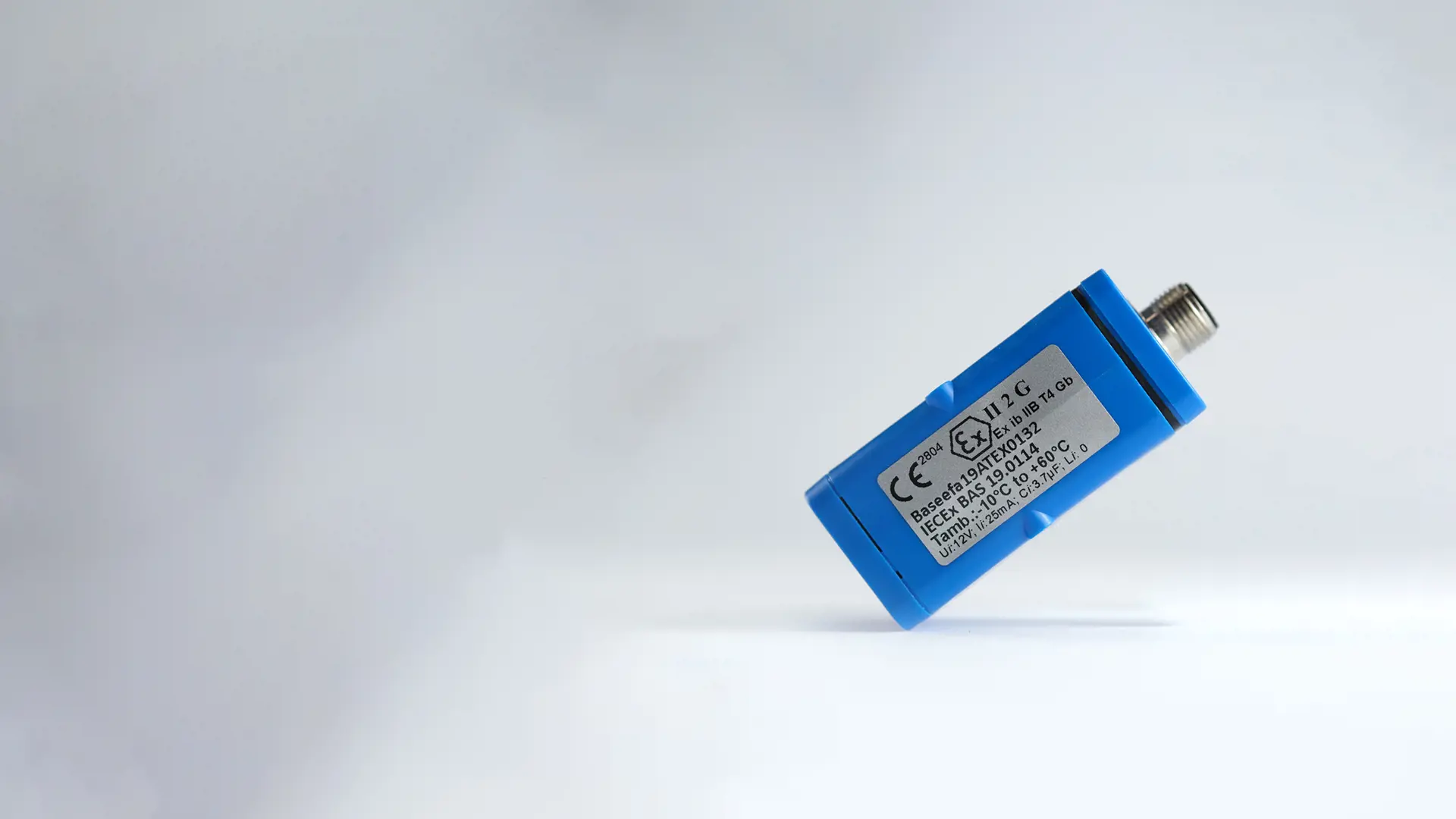
Sometimes, a new piece of technology comes up that is so simple yet effective that you wonder how you never thought of it before. One of our technology highlights in 2025 was such a case, as we introduced the MAKEEN Pressure Transmitter for the heads of LPG filling machines, preventing unwanted leaks and dangerous situations.
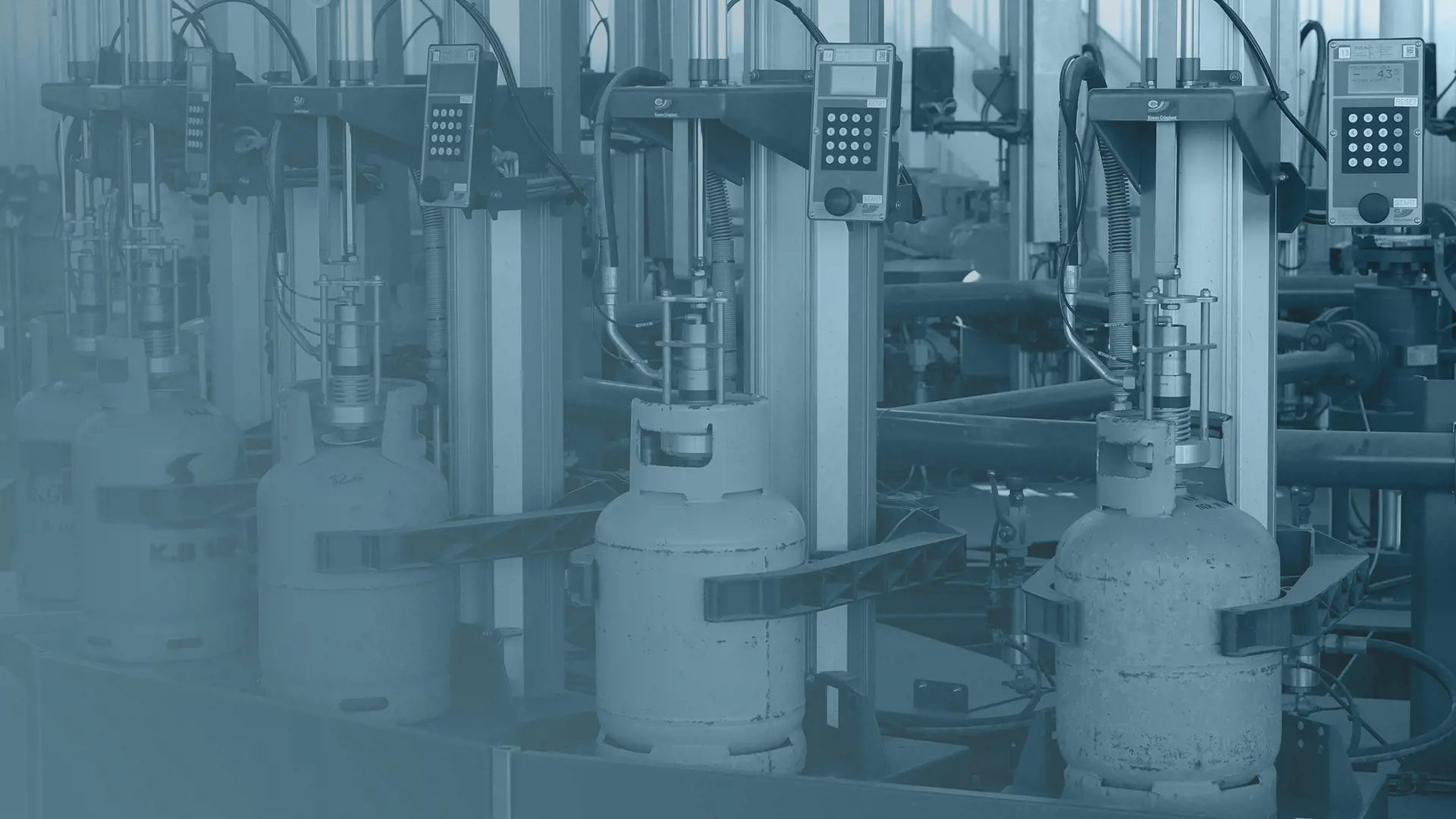
In any LPG filling plant, thousands of cylinders are constantly entering and exiting the filling machines, where a filling head gets lowered onto the valve, creating a tight connection before delivering the gas into the container. Quick, safe, routine.
Except that’s not how it goes 100% of the time.
In a small percentage of cases – usually due to poor cylinder conditions – the filling head fails to form a tight seal around the valve, causing gas to spill out. When that happens, an operator needs to manually stop the filling by pressing a button on the machine. That means that:
- The amount of gas leaked out depends on how quickly the operator is able to react, and
- the operator now has to enter a zone with a potentially dangerous amount of gas in the air.
This has been a challenge for decades in filling plants everywhere in the world, causing harm to both their safety and operational efficiency. Ultragaz in Brazil, however, overcame this challenge by installing the new MAKEEN Pressure Transmitters (MPT) in their filling heads.
A small addition with a big impact
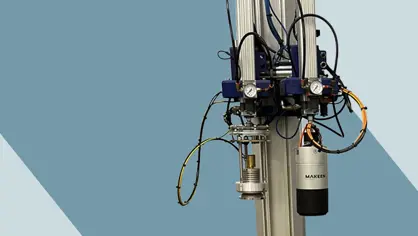
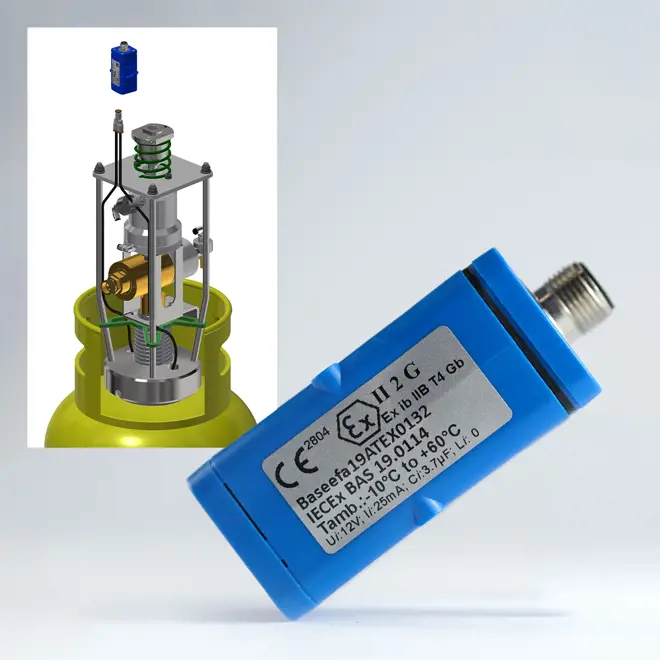
The MPT is a recent innovation from MAKEEN Energy’s Research & Development team. Put simply, it is a small pressure sensor that can be installed in the head of a filling machine, enabling it to register a faulty connection and cutting off the filling instantly and without need for human intervention.
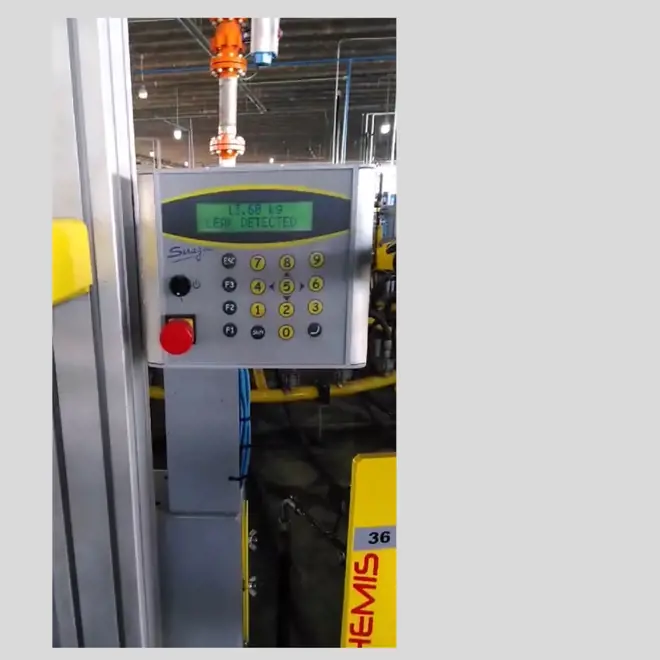
When Ultragaz learned about this new product, they decided to try it out by having the sensors installed in an older 36-post carrousel on one of their many filling sites. The cost of this installation was inexpensive, and the installation itself was easily completed by a single technician within one week.
The results have been immediate. The operator, who used to stand at the carrousel inlet for an entire shift, checking for faulty connections, is now able to spend time on more productive work. Leaks during filling have been reduced to a minimum, and the facility is both safer and more efficient as a result.
Ultragaz was quite satisfied with the performance of the MPT, and we are already reviewing the possibility of installing these devices in more of their LPG filling plants.
One of the main benefits for us has been reducing the need for operators to intervene manually when there is a leak during filling. That improves both workflow and working conditions in the plant.
How does it work?
The MPT consists of a combined pressure sensor and transmitter that registers changes in pressure within the inner chamber of the filling head and signals to the machine to shut off the filling process. If there is a leak in the connection, the chamber starts to fill up with gas, causing a pressure increase that the sensor immediately detects.
The MPT can be configured for most pressure ranges, with the most typical ones being 0-8 bar and 0-50 millibar (the latter is the range used for leak detection in filling heads). It uses a NAMUR signal, which is an international standard for sensors used in explosion risk environments.
MPTs can be integrated with most new and old filling heads, whether they are of the Siraga, Kosan Crisplant, or MAKEEN Energy brand.
A hit at Liquid Gas Week 2025
At the industry’s largest event of the year, Liquid Gas Week in Rio de Janeiro, we presented the MPT at the Global Technology Conference. The presentation received official recognition as a finalist at the event, “for its high-quality innovation and contribution to the conference.” After the presentation, we were proud to see a lot of people coming to our booth to hear more about this new innovation.
All in all, over 1,000 MPT’s have already been installed in filling plants across the world, showing that this simple solution has addressed a widespread need in the LPG industry.