Case: Galp PLM plant, Portugal
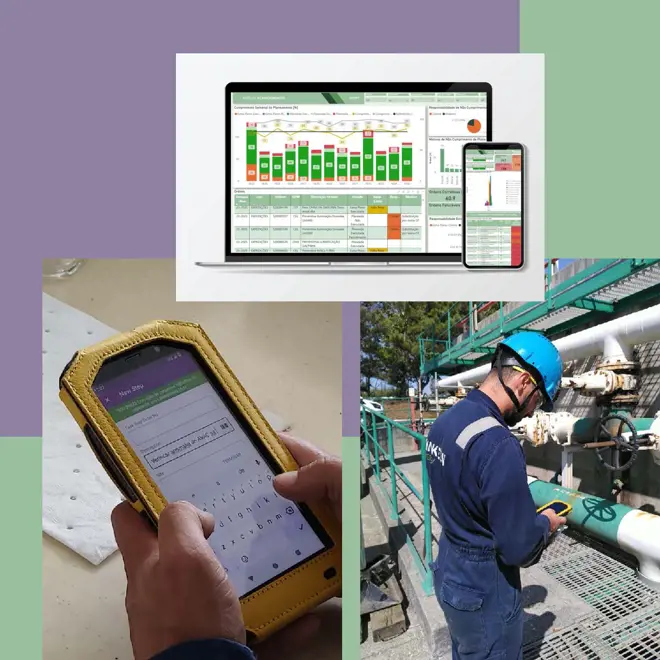
Since 2019, we have maintained Galp’s PLM plant in Matosinhos, Portugal, under a Facility Service contract. In 2025, we took the next step together: a joint operational transformation and digitalisation project that helped the on-site teams spend more time on planned work, reduce disruptions, and lift day-to-day performance.
A facility like PLM logistics park in Matosinhos runs on thousands of small decisions every week. When teams have clear priorities and the right support, work moves faster, quality improves, and fewer hours get lost to chasing information, waiting for parts, or restarting tasks.
We have supported the site since 2019 under a Facility Service contract, meaning we handle all maintenance of Galp’s site with a highly trained resident team. That long-term presence matters because it means we know the realities on the ground: how work orders arrive, how teams coordinate, and where time is typically lost when the pace picks up.
A strong site with a clear opportunity
The PLM site has always been managed with a strong focus on safe, reliable delivery. But like any busy facility, it deals with day-to-day variation: last-minute requests, shifting priorities, and small disruptions that add up across a week.
Variation creates inconvenience, but it also creates hidden costs. When a job starts without the right parts, access, or information, people spend time waiting, re-planning, and restarting work. Over a week, those small delays can reduce capacity, increase pressure on the teams, and make it harder to deliver consistently.
That’s why in 2025, we agreed with Galp to reduce that variation by tightening planning, preparation, and follow-up. The goal was simple: help the teams spend more time on productive, planned work and less time on urgent disruptions.
A co-created project
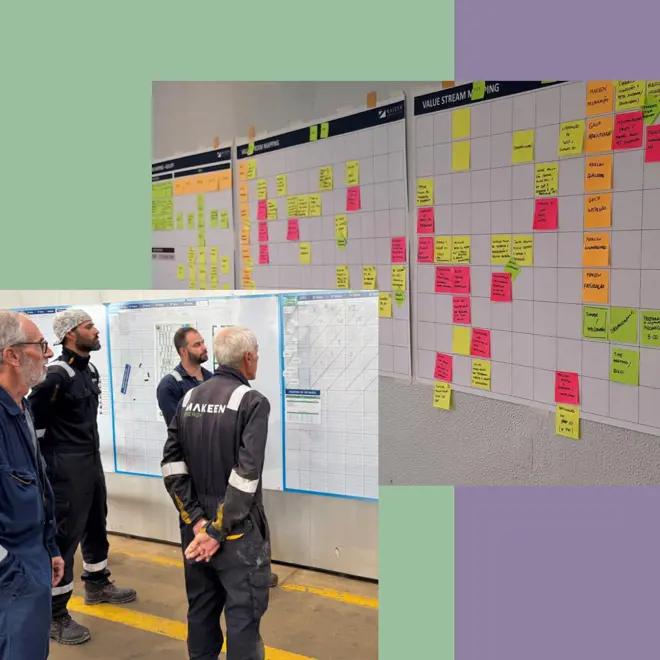
The project we undertook with Galp in 2025 was to see how, with meticulous use of data and digital integration, we could improve planning, communication, preparation, and execution of tasks. While digital tools were an important enabler, the real step-change came from the joint effort between the PLM and MAKEEN Energy teams in aligning a set of practical habits that support each other: a steady planning rhythm, better preparation before work starts, operational discipline, and clear follow-up that turns daily data into learning.
In practice, that meant clearer roles and handovers, stronger coordination between planning, execution, and review, and a shared way of discussing priorities with Galp. It also meant tidier, better organised work areas and stores, so less time is lost searching, waiting, or redoing tasks.
A structured approach to improvement
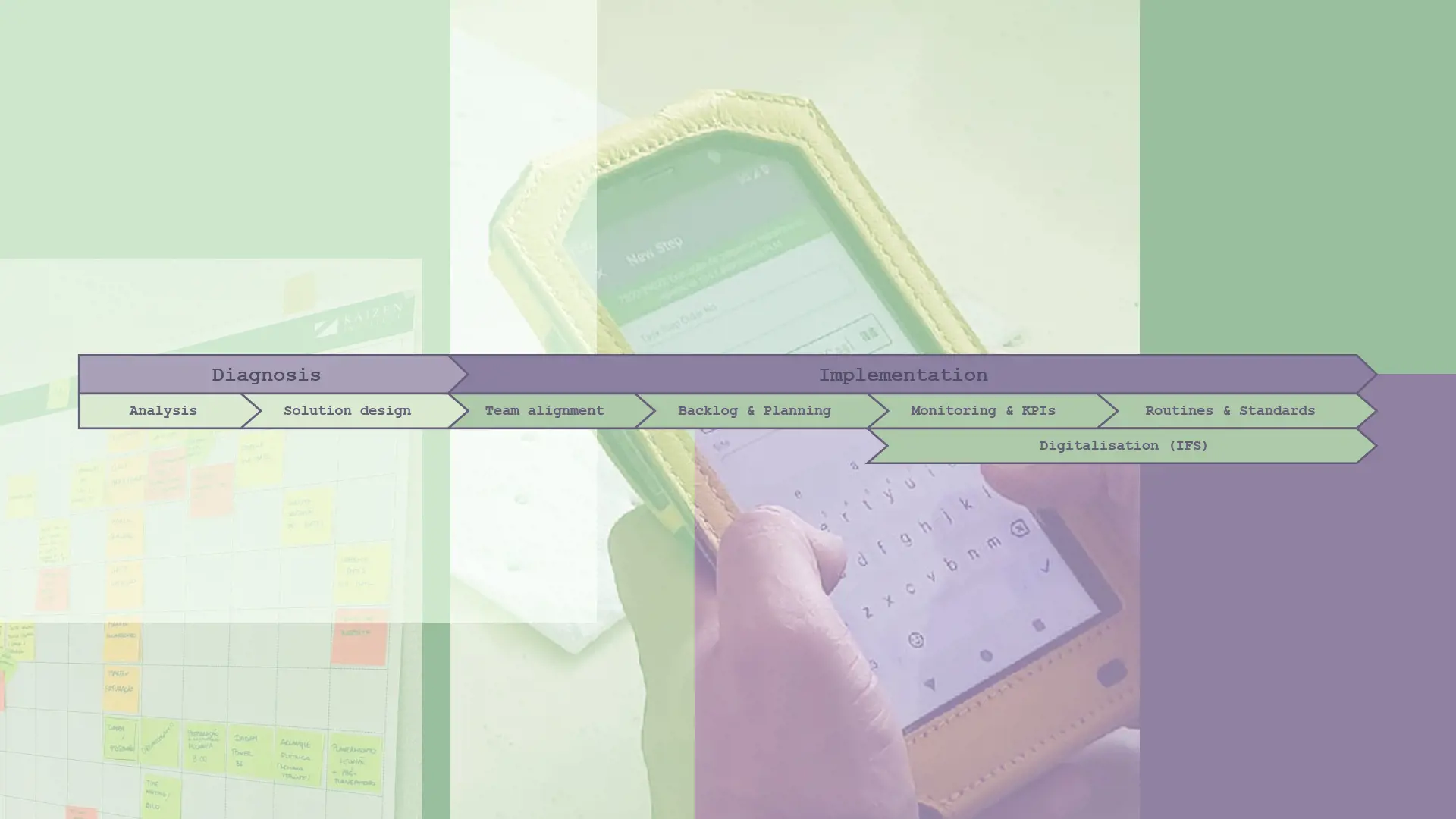
At the centre of the transformation sits a simple idea: the weekly plan should be realistic, and the organisation should protect it. That starts with building a clearer picture of the work that needs doing and then prioritising it with the right people around the table.
We split the project into three focus areas:
- Planning of tasks
- Preparation and execution
- Communication and systems
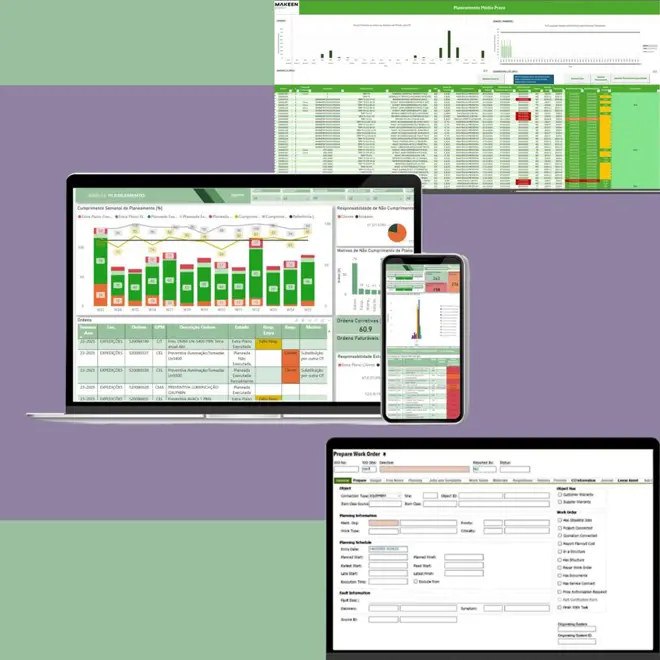
In terms of planning, we implemented standard routines for reviewing the backlog of tasks and developed a new app to plan and monitor workload. This allows our team to dynamically analyse their capacity on a real-time basis. It also makes it easy to share information with Galp and collaborate on the weekly planning of the work we perform.
For the preparation and execution of tasks, our team defined a set of standards for work preparation and set routines for when a shift starts and ends. This included looking at small day-to-day things, like how PPE is stored and managed, as well as the helicopter view of monitoring and analysing execution times.
Finally, the project overhauled how we use systems to communicate and share information, both between team members and between MAKEEN Energy and Galp. We developed dynamic dashboards to monitor KPIs and generate reports. And we started to process towards stronger digital integration between our companies.
Digital integration strengthens our bond
A key part of the project was to connect our own digital infrastructure to Galp’s by integrating our ERP systems with each other. This integration is still ongoing, but when it is complete, it will allow us to have full mutual transparency in terms of procurement, staff management, finances, compliance, and much more.
The first step was implementing the IFS Service and Maintenance module, which is our digital platform that connects our customers’ machines to our technicians with the shortest possible route.
We see digital integration as the natural evolution of an already tight-knit collaboration between our companies, which will allow us to work from the same data, reduce manual handovers, and respond faster in day-to-day operations.
What comes next
The joint work in 2025 created a platform for continued development. The next steps include strengthening the routines that protect the weekly plan, building the data set further, and expanding the digital support to remove manual administration and improve follow-up.
The results were strong enough that Galp highlighted the work as a model they would like to replicate in other facilities. For us, that says three things: the approach creates clear operational value, our collaboration has reached a new level of maturity, and the way of working can scale across other sites. Recognition like that does not come from a single change. It comes from consistent effort, solid data, and a partnership built on doing the work well, day after day.
Most importantly, the project has shown what is possible when operational discipline and practical digital tools move in the same direction – with Galp and our on-site team working from the same playbook.
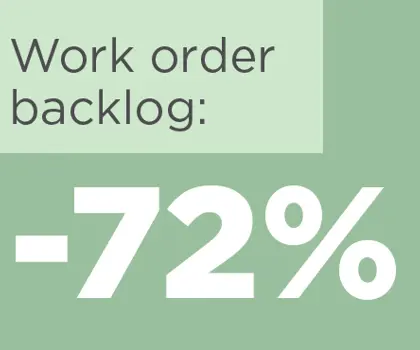
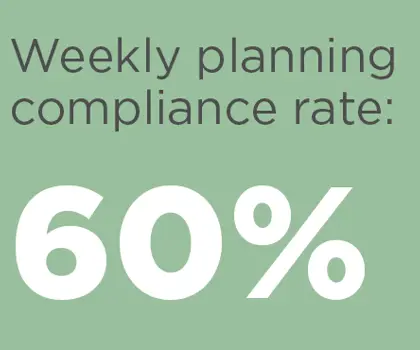
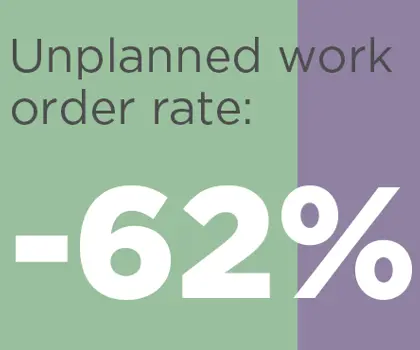
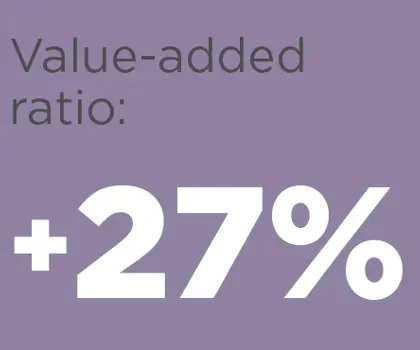
Operational improvements in numbers